
Blackjack surrender is a tidy exit when the maths says you are beaten. It is not panic, it is a clean fold when the odds are lopsided. The decision sits right beside how you handle real money at the table, because walking away from a bad hand mirrors walking away from a clunky cashier flow. For an Australian player weighing risk, the move is about preserving bankroll, not chasing a hero play.
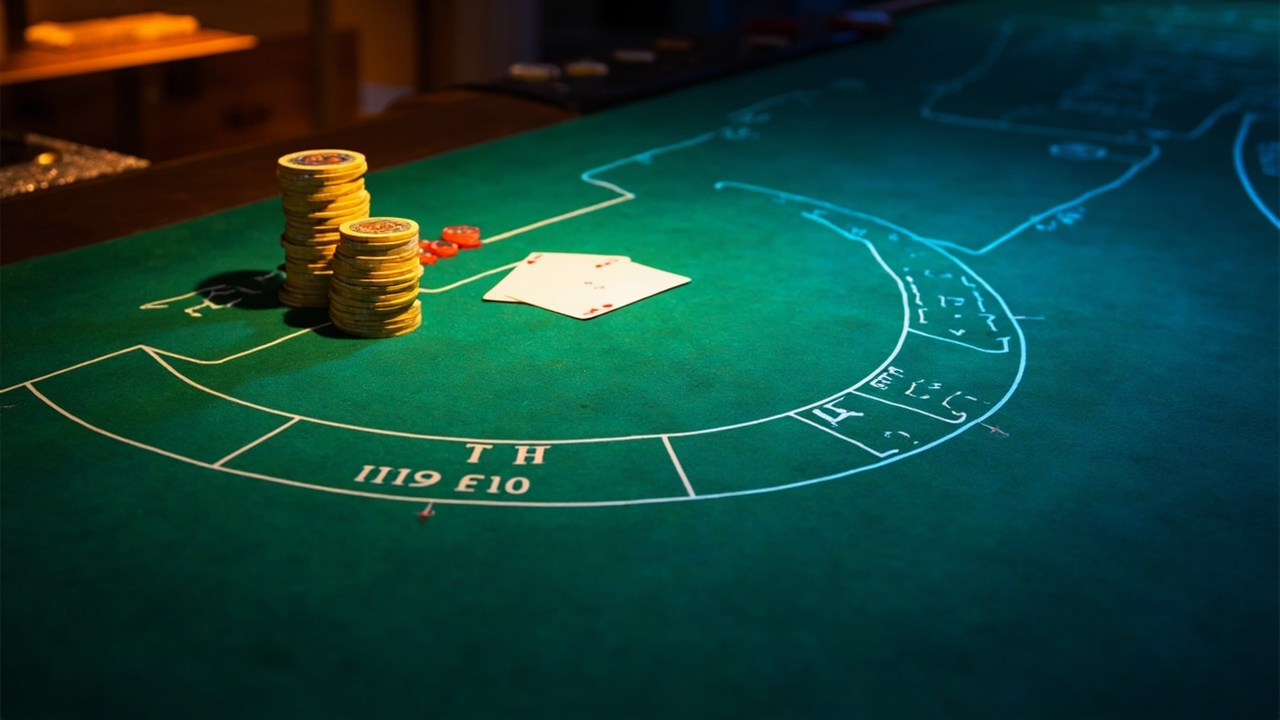
You surrender when your two-card total is weak and the dealer shows a strong upcard. Basic strategy says to fold on hard 15 or 16 against a dealer 9, 10, or ace, because your chance of busting or losing is already stacked. That calculation is the same whether you are playing a six-deck shoe in a Western Sydney club or a single-deck table overseas. The key is treating the loss as a small, planned cost rather than a stubborn hold. If you are logging in via stay casino login australia and the table rules list late surrender, you get the extra half-step of timing after the dealer peeks, which trims the house edge a touch more than early surrender does. The move only works when you accept the cut and move on to the next hand.
The dealer’s visible card sets the whole equation. A weak upcard like 2 through 6 means the dealer is likely to bust, so you generally stand or hit on marginal totals. A strong upcard flips the script, and that is where surrender earns its keep. You are not guessing; you are reading the probability and cutting a losing position before the cards flip. It is the same discipline you want when you check a cashier screen and see a withdrawal sitting in pending status – you do not keep feeding the queue if the flow is clearly stuck. The smart play is to recognise the signal, fold the bad hand, and keep your session budget intact for the next arvo.
Early surrender lets you fold before the dealer checks for blackjack, which is rare and usually a house-rule quirk. Late surrender is the standard you will actually see, and it arrives after the dealer peeks, so you only lose your half-bet if the dealer has a natural. That timing changes the value of the move, because you are folding into a known risk rather than a blind one. Overseas, some European rooms bake surrender into the table rules as a quiet edge-saver, while US strips often leave it off entirely and push you toward insurance instead. Down Under, the local preference is late surrender on a few tables, and you should treat it like a measured tool, not a get-out-of-jail card. The maths stays consistent, but the rule set decides whether the fold is worth the half-bet. stay casino login australia
Australians tend to play for the session, not the spectacle, so a clean fold suits the pace. You are not trying to turn a bad 16 into a hero story; you are managing the table, the bankroll, and the time you have left in the evening. That mindset lines up with how a well-run cashier should work too – clear limits, straightforward payouts, and no fuss when you decide to step back. When you compare it to overseas rooms that push side bets and fast reshuffles, the local approach feels steadier, because the move is about discipline, not drama. If you are weighing why do blackjack players surrender, the answer is simple: it keeps a losing hand from becoming a larger one, and it leaves you with enough chips to keep playing on your own terms.

When the dealer shows strength and your hand is weak, folding is just good money management. Treat surrender like a planned half-loss, not a failure, and keep your session budget in check. The same discipline carries over to any real-money table where you want to walk away with your bankroll intact.

Video Poker Strategy for Full House on Australian Platforms
WinSpirit Casino: Schnelle Gewinne und Hoch‑Intensives Spiel
Bonusvoorwaarden bij BetWest: valkuilen vermijden